WHO Assessment Finds Africa’s Health Data Systems Score 59 out of 100, with Weak Death Recording and Analysis
A WHO Regional Office for Africa assessment of 40 countries found that most now report health data digitally, but gaps in death recording, local data analysis, funding and policy limit how well the information is used.

By Researchnews.Africa Desk
· 3 min read
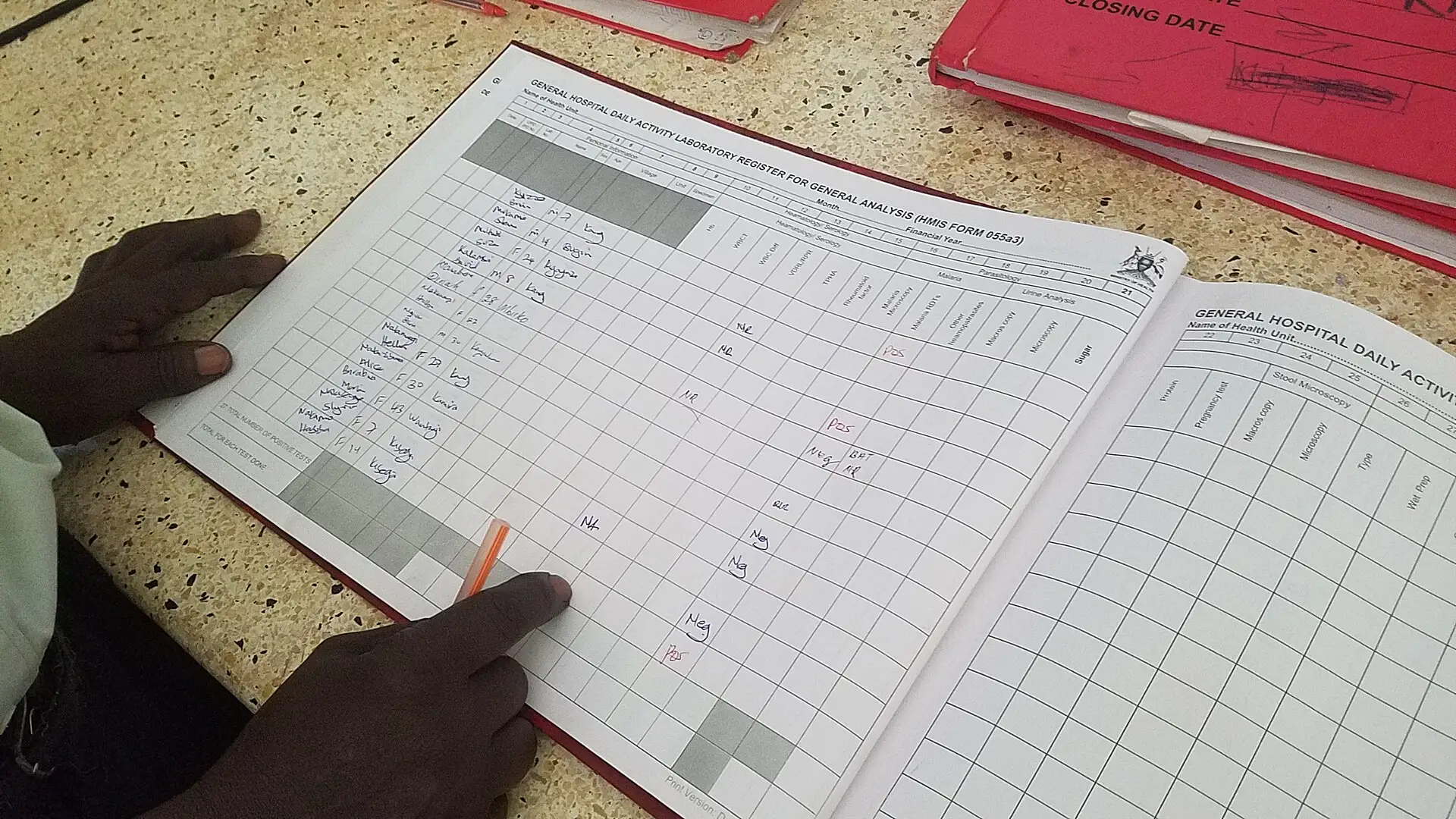
Most countries in the World Health Organization’s African Region now collect routine health data digitally, but many still struggle to turn that information into decisions, according to a new WHO assessment released in Nairobi on 10 November 2026.
The report, titled The Maturity and Functionality of Health Information System in the WHO African Region, was produced by the WHO Regional Office for Africa. It draws on an assessment carried out in 2024 across 40 of the region’s 47 Member States, and was launched at the First Africa Health Data Forum, held in Nairobi from 10 to 12 November.
What the assessment found
Health information systems across the assessed countries had an overall maturity score of 59 out of 100, with individual country scores ranging from 26 to 93. WHO said the gaps were greatest in financing, governance and analytical capacity.
Recording of deaths remains a weak point. Only 19 of the 40 countries reported that authorities are notified of at least 80% of deaths, and 21 reported that the cause of death is recorded for at least 80% of registered deaths. Without reliable death records, governments find it harder to see which diseases are killing people and where.
The ability to use data close to patients is also limited. According to WHO, 43% of countries had sufficient capacity to analyse health data at health facility level, and only 25% had enough capacity at that level to check the quality of their data.
Money and policy lag behind. Just 18% of countries had a dedicated budget line for health information systems, and 35% had an up to date national policy on them.
Digital progress, uneven use
The picture on digital tools is mixed. WHO reports that 43 of the 47 Member States have adopted a digital platform for routine health reporting. However, only 20% of the assessed countries said they were using digital patient medical records, and fewer than half had frameworks that allow different information systems to exchange data.
WHO Regional Director for Africa Dr Mohamed Janabi said countries had made important progress in collecting health data, but that “information must lead to action”. He called for stronger investment, skilled professionals and better coordination.
Why it matters
For countries such as Uganda, where health services are being reorganised after cuts in external funding, reliable data on births, deaths, disease and service use underpins planning and the targeting of scarce resources.
On 12 November, health leaders at the Nairobi forum adopted the Nairobi Action Agenda, which aims to turn health data into better healthcare. WHO also cited a second report, Health Data Systems and Capacity in Africa, based on the SCORE 2025 assessment of 52 countries, which found that none had reached the highest level of sustainable capacity for using data and evidence. In August 2026, WHO launched a Regional Health Data Hub as one step towards addressing the gaps.
Limits
The findings rest on the 2024 assessment and cover 40 countries rather than the whole region. The press materials do not link to the full report, so country-level results and the detailed scoring method could not be reviewed for this article.
Sources

About the writer
Researchnews.Africa Newsroom
Reporting by the Researchnews.Africa newsroom in Kampala.
All articles by Researchnews.Africa DeskResearchnews.Africa follows our editorial standards. Spotted an error? Tell us how to correct it.
Share this story