Makerere Graduation: Dr. Ddungu’s PhD Study Gives hope to Blood Cancer Patients

By Dr. Arinaitwe Deo Rugyendo
· 3 min read
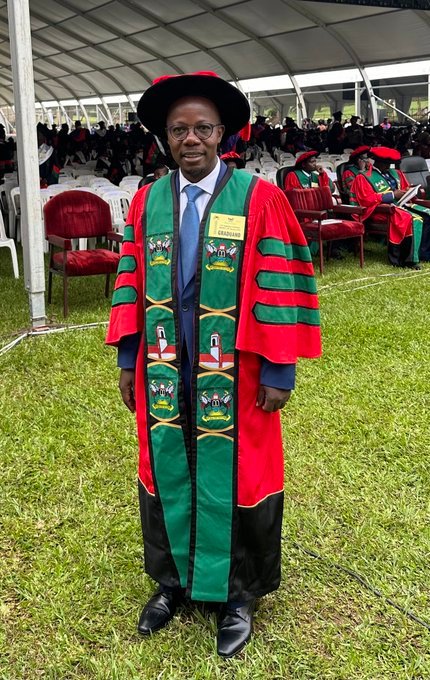
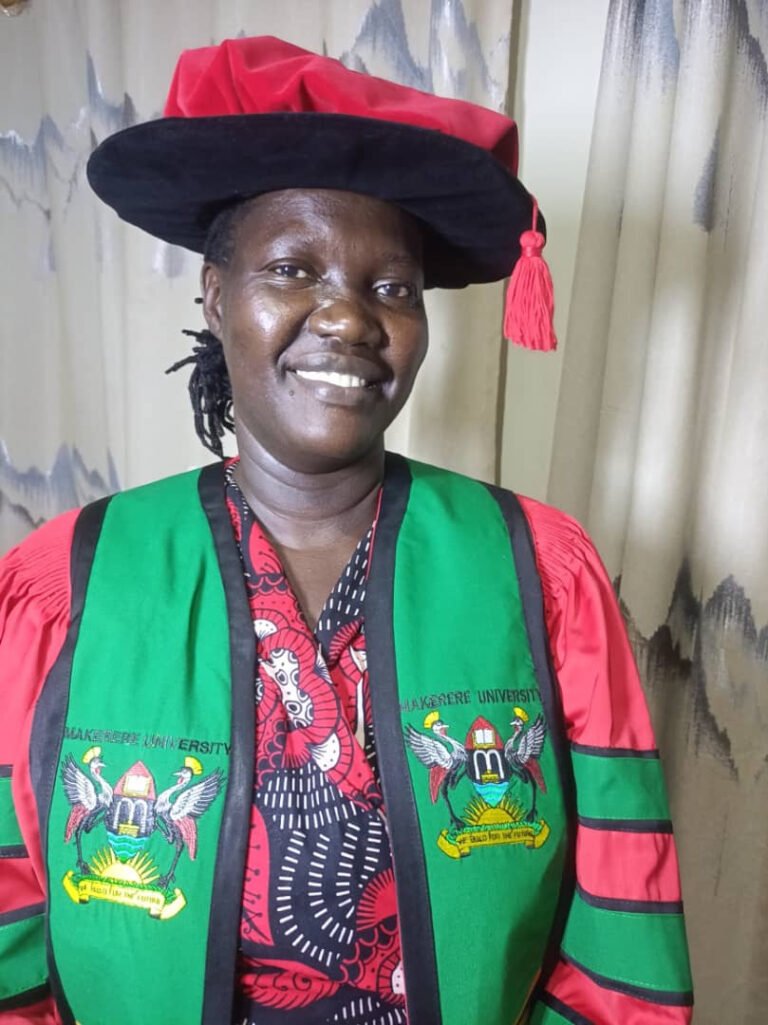
Makerere, Uganda – In a significant contribution to the field of hematology, Dr. Henry DDUNGU’s doctoral study has restored hope to blood cancer patients.
Dr. Ddungu who graduated today with a Doctor of Philosophy from Makerere University in Uganda, investigated the optimal use of blood and platelet support transfusion in patients with hematological cancers in Uganda.
His study titled “Optimal Use of Blood and Platelet Support Transfusion in Patients with Haematological Cancers in Uganda” examines the problems faced in a country where demand for blood products is high but resources are scarce.
Dr. Ddungu’s research was driven by the critical need to understand the dynamics of blood and platelet transfusion in the context of hematological cancers.
The scarcity of blood products in Uganda posed a considerable challenge, given the elevated demand, particularly among cancer patients.
The study also looked at the experiences of patients and health workers to identify where care could improve.
High Demand vs. Limited Availability
One of the key findings of the research was the stark contrast between the high demand for blood products among cancer patients and the lower-than-needed availability.
“This disparity underscores a significant healthcare challenge, prompting a closer examination of the factors contributing to the scarcity of blood resources in the country,” says the study.
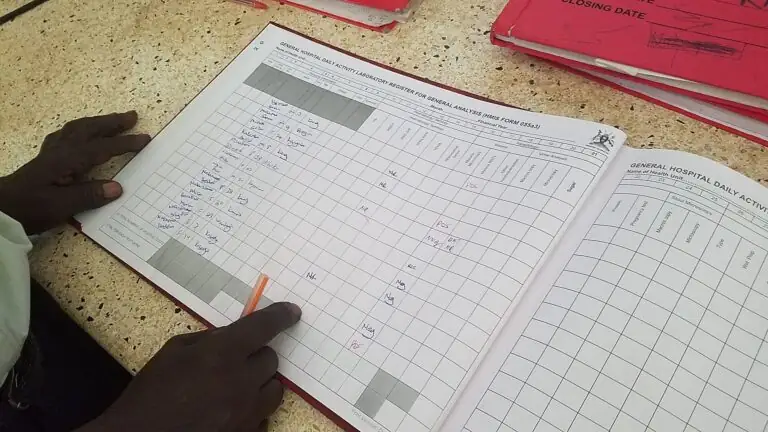
The study also revealed gaps in doctors’ knowledge basics of blood transfusion, indicating a need for enhanced training and education in this critical aspect of patient care.
By identifying these knowledge gaps, Dr. Ddungu’s research has laid the foundation for targeted interventions that can improve medical practices and ensure the safe and effective use of blood products.
A notable insight from the research was the impact of lowering the threshold for platelet transfusion.
In his study, for instance, he has been able to demonstrate that a lower trigger for platelet transfusion led to fewer transfusions without compromising patient safety.
This key finding suggests that adopting a lower threshold, as practiced in resource-rich countries, could be an optimal strategy for transfusions in Uganda.
“However, the successful implementation of such practices would require health worker training and adherence to evidence-based guidelines,” he argued.
Recommendations for Improved Patient Care
Dr. Ddungu’s research documents the shortage of blood products and makes recommendations for improving patient care.
The findings emphasize the urgent need for increased efforts to secure an adequate and stable supply of blood products, coupled with comprehensive training programs for healthcare professionals involved in transfusion practices.
This impactful study was funded by Fogarty/NCI D43 Training Grants, enabling Dr. Ddungu to undertake this crucial research.
Under the guidance of his supervisors, Prof. Noah Kiwanuka, Dr. Isaac Kajja, and Prof. Anna Wald, the study has opened avenues for further exploration and interventions aimed at enhancing the quality of care for patients with hematological cancers in Uganda.

About the writer
Founder & Editor-in-Chief
Founder and Editor-in-Chief of Researchnews.Africa. A journalist with more than two decades of media experience and a PhD in Journalism from Makerere University.
All articles by Dr. Arinaitwe Deo RugyendoResearchnews.Africa follows our editorial standards. Spotted an error? Tell us how to correct it.
Share this story