UBOS Report Reveals PDM Money Abuse

By Researchnews.Africa Desk
· 3 min read
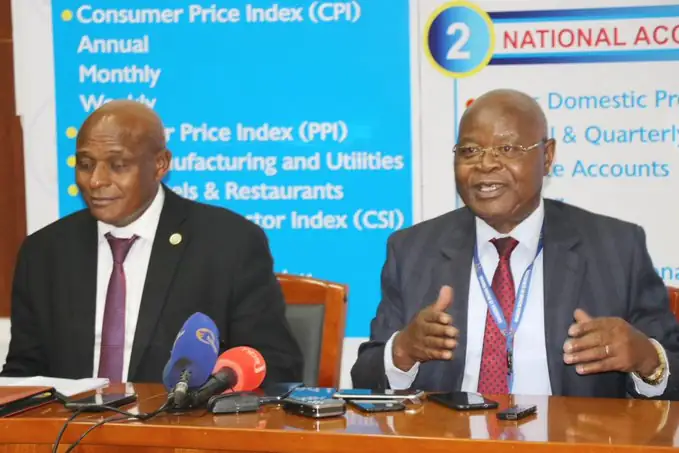

KAMPALA: A report from the Ugandan government’s own research agency, the Uganda Bureau of Statistics (UBOS) reveals the much–touted Parish Development Model (PDM) is not ready for kick-off.
The report was read to the press yesterday by the UBOS Executive Director, Dr. Chris Mukiza.
Tweeting from the @StatisticsUg handle, the UBOS chief who profiles himself on Twitter as “I am a male adult and a statistically minded economist, who is interested in the wellbeing of the people,” told the Ugandan press in remarks currently gaining currency on social media networks, that the country is not ready for the PDM money and should wait for data from the agency.
“We are not ready to roll out the Parish Development model. Data collection is still going on and some areas like cities and municipalities have not started,” the UBOS chief is quoted telling the press yesterday.
The PDM which is being popularized by every government official as the medicine that will route the over 39% of Ugandans out to the subsistence economy, has already been rolled out.
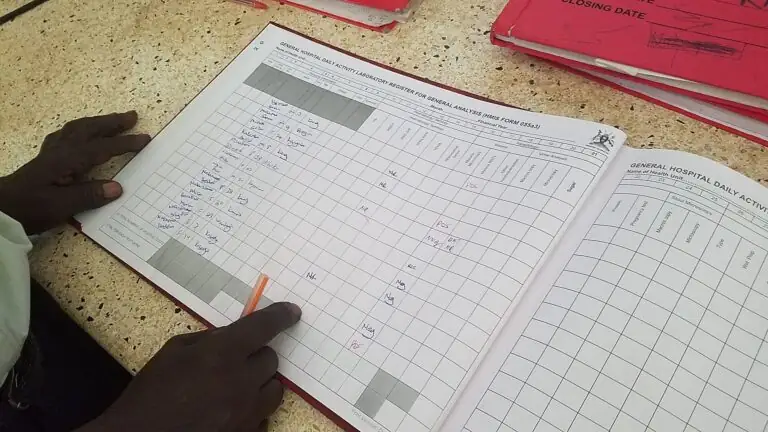
But UBOS recently trailed the rollout with an announcement in the press of a baseline survey to map the country and use the results to properly advise the PDM implementation agencies on the rightful beneficiaries.
The key implementation agency is the Ministry of Local Government where the PDM secretariat headed by former Busiro North MP Dennis Ssozi Galabuzi is the national coordinator.
In a revelation that shows that not even UBOS has made headway on the baseline survey front yet the model is already on the roll, Dr. Mukiza told the press that; “About 1% of work has been done in Kampala and Wakiso districts (only).”
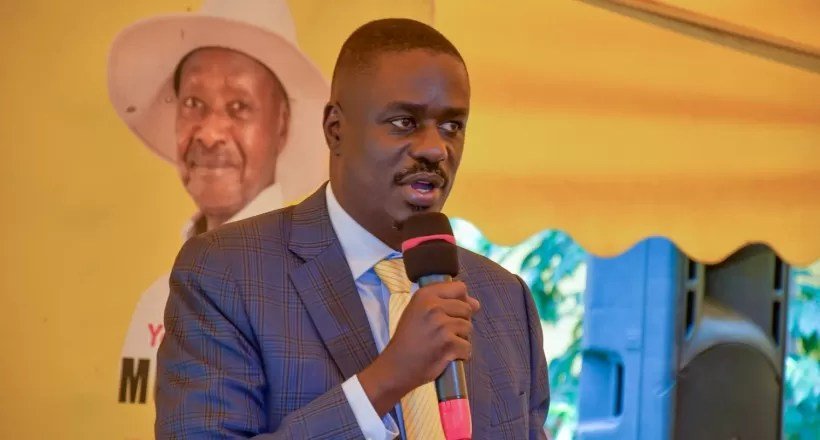
He added that the country should now be patient so that UBOS generates nationwide data for the right people to benefit.
He revealed that as things stand, the money already sent to the districts for the implementation for the model is at risk.
“Data collection is financially constrained because PDM money was sent to the districts and most of it was used for other things, it is not there,” he said.
About the PDM:
The Parish Development Model, or PDM, is a Government strategy or approach for organizing and delivering public and private sector interventions for wealth creation and employment generation at the parish level as the lowest economic planning unit. This will ensure support for more Ugandans to increase their demand for goods and services.
The PDM is the last mile strategy for service delivery by the Government of Uganda for improving incomes and welfare of all Ugandans at the household level. It is an extension of the whole-of-Government approach to development under the National Development Plan (III), with the Parish as the lowest administrative and operational unit for delivering services closer to the people and supporting local economic development. The PDM underlies the spirit of harmonization of Government interventions with every MDAs focusing on; delivering services closer to the people; and measurable results at the Parish level in order to ensure transformation of the subsistence households into the money economy. This transformation requires organized, integrated, well-coordinated and results-based efforts.
More on the UBOS revelation, follow these links: https://twitter.com/StatisticsUg/status/1551941776751185921

About the writer
Researchnews.Africa Newsroom
Reporting by the Researchnews.Africa newsroom in Kampala.
All articles by Researchnews.Africa DeskResearchnews.Africa follows our editorial standards. Spotted an error? Tell us how to correct it.
Share this story