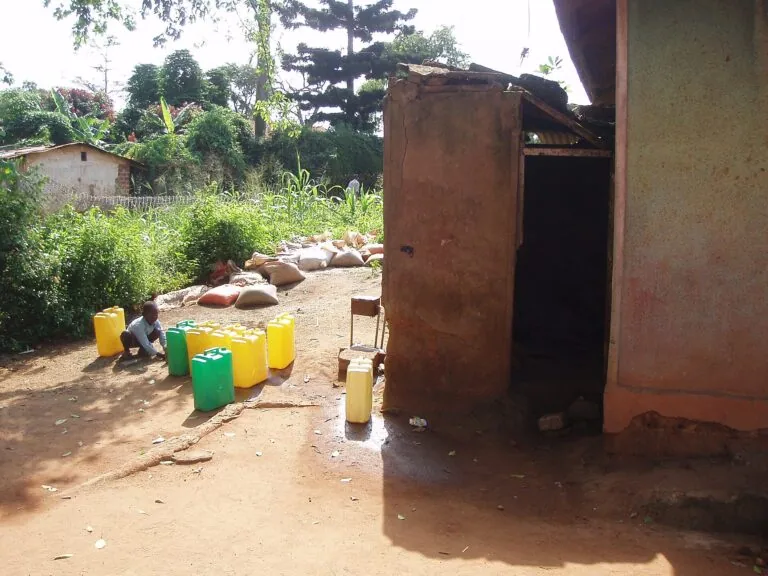
Worship Gatherings and Low Second-Dose Coverage Sustained Kamwenge Measles Outbreak, Study Finds
A field investigation in refugee-hosting Kamwenge District found that a 2025 measles outbreak persisted because too few children had received two vaccine doses, not because the vaccine failed.

By Researchnews.Africa Desk
· 2 min read
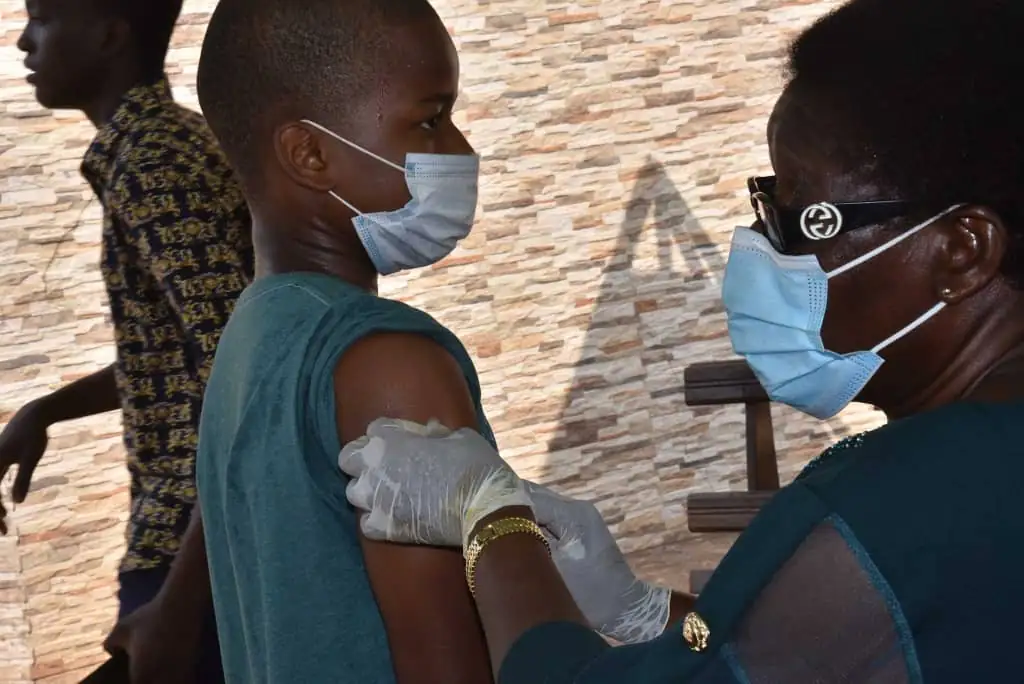
A measles outbreak that ran for months in Kamwenge District in western Uganda during 2025 was sustained by gaps in two-dose vaccination and by crowded indoor gatherings, according to an investigation published on 4 November in the journal Discover Public Health.
The work was carried out by the Uganda Public Health Fellowship Program at the National Institute of Public Health, together with the Uganda National Expanded Program on Immunisation at the Ministry of Health. Nasif Matovu is the lead author.
What the team found
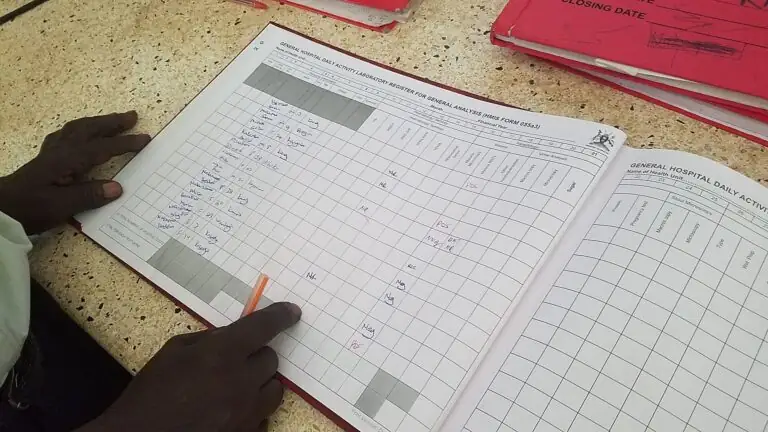
The Ministry of Health was alerted on 24 June 2025 after three samples tested positive for measles. Searching health facility records and communities, the investigators identified 109 cases between February and July 2025, three of them laboratory confirmed. No deaths were recorded. Almost half of the cases (48.6%) were refugees, and the district hosts the Rwamwanja Refugee Settlement.
The overall attack rate was 3.2 per 10,000 people, but it was far higher among children aged 9 to 17 months (30.8 per 10,000) and among refugees (13.3 per 10,000, compared with 1.9 among nationals).
In a case-control comparison of 73 cases and 167 neighbourhood controls, attending a place of worship in the weeks before falling ill was strongly linked to infection. Vaccination was strongly protective: the team estimated vaccine effectiveness at 93% for the first dose and 95% for the second.
A coverage problem, not a vaccine problem
The authors argue that the outbreak reflected programme gaps rather than vaccine failure. Among eligible control children, 67% had received the first measles-rubella dose but only 36% had received the second. Second-dose coverage was 10% among national children in the sample, compared with 49% among refugee children. Official administrative figures, by contrast, showed first-dose coverage above 100% in several subcounties, which the authors attribute to problems with population estimates and movement across boundaries.
Visits to Rwamwanja Health Centre IV and Biguli Health Centre III found suspected measles patients being managed alongside other children, with no functional isolation areas and weak triage.
Why it matters
Measles outbreaks have recurred across Uganda, and the World Health Organization advises that at least 95% of children need two doses to stop transmission. The study recommends strengthening routine two-dose vaccination, targeted vaccination in refugee-hosting communities, working with religious leaders on risk communication, and prompt isolation of suspected cases at health facilities.
Limits
The authors note that vaccination status sometimes relied on caregiver recall, that only five samples were tested in the laboratory, that 36 cases could not be traced for interview, and that coverage among controls describes the affected communities rather than the whole district.
Sources

About the writer
Researchnews.Africa Newsroom
Reporting by the Researchnews.Africa newsroom in Kampala.
All articles by Researchnews.Africa DeskResearchnews.Africa follows our editorial standards. Spotted an error? Tell us how to correct it.
Share this story