From Shelf to Society: Oboth Joins MUST Researchers’ Conference to Ask What Their Science Is Really Changing
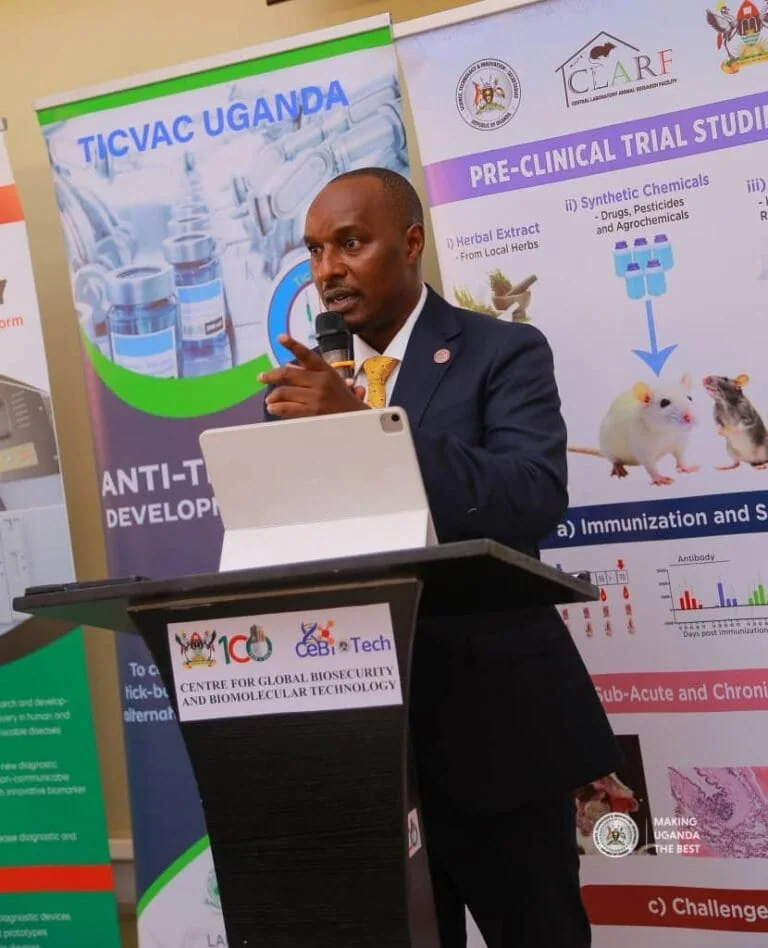
Speaker Jacob Oboth-Oboth is expected to give the keynote at the 21st Annual Research Dissemination Conference at Mbarara University of Science and Technology, which asks how research can move from the shelf to society.

By Dr. Arinaitwe Deo Rugyendo
· 3 min read
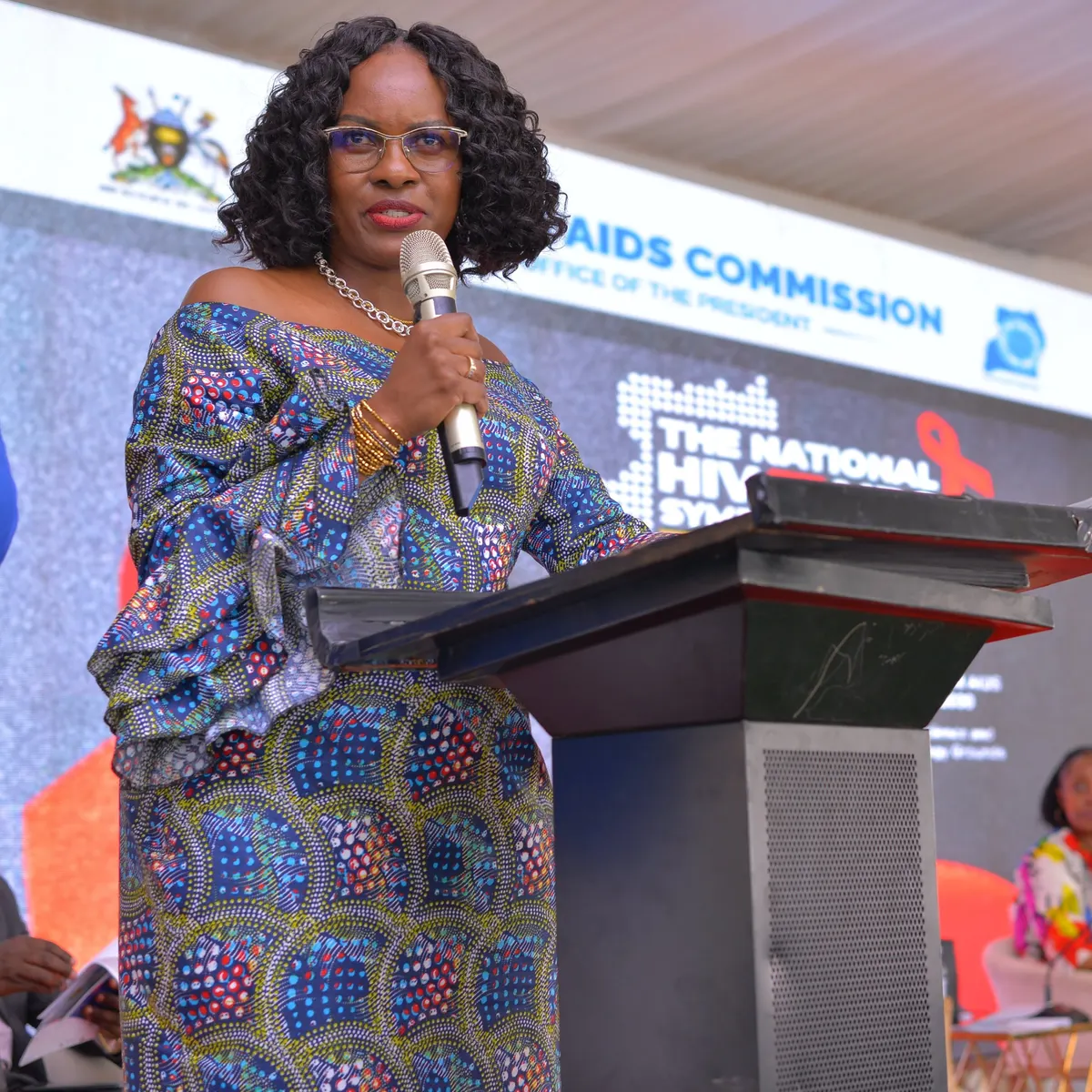
MBARARA, Uganda – Researchers at Mbarara University and beyond are gathering this Friday in Mbarara City to ask the question of what their findings are doing to change society.
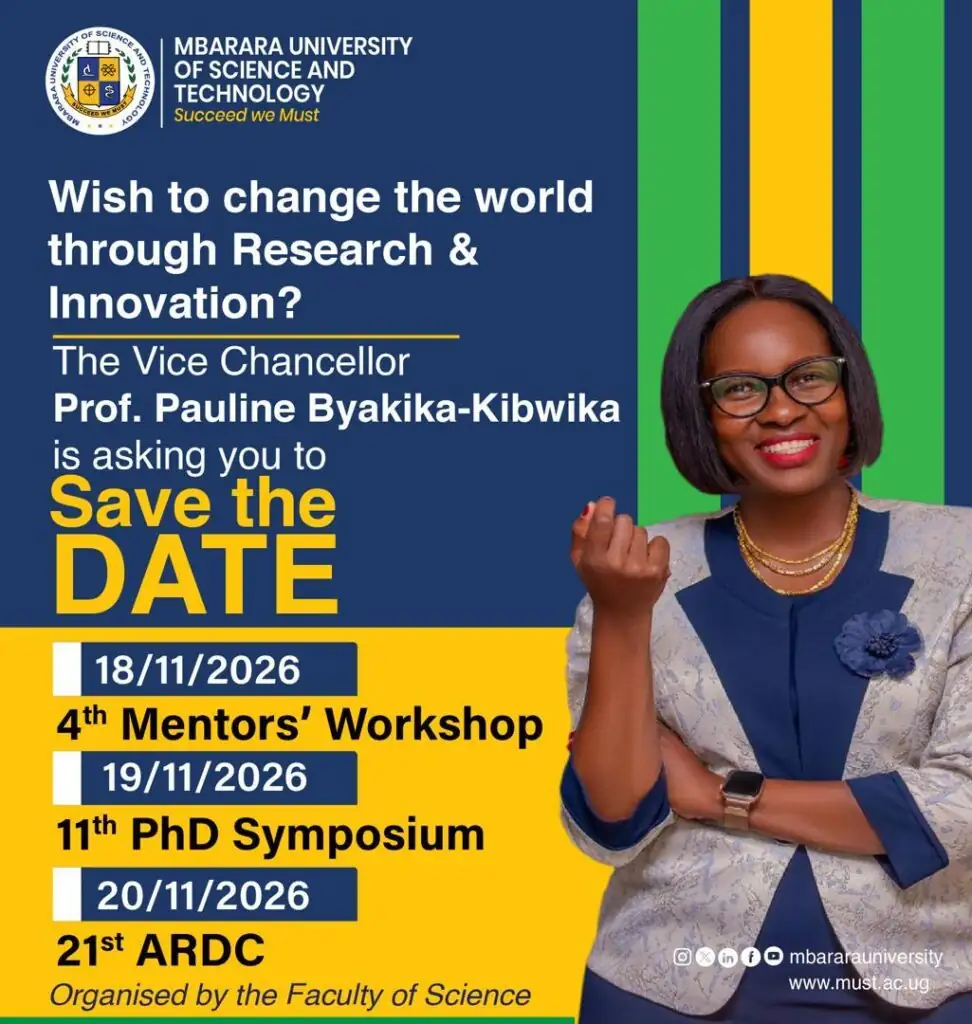
Organisers have told Research News Africa that bridging the gap between discovery and difference is the core business at this week’s 21st Annual Research Dissemination Conference at Mbarara University of Science and Technology (MUST).
The Speaker of Parliament, Rt. Hon. Jacob Marksons Oboth-Oboth, is expected to deliver a keynote address.

The annual event is scheduled to take place this Friday, November 20, 2026, at Las Vegas Garden Hotel in Mbarara, and participants can also join online.
“Picture a young scientist in Mbarara who has spent years in the field. She has collected samples, tested ideas, and written up findings that could change how a district fights malaria or how a mother gets care in labour. Then the thesis is bound, the paper is published, and the work goes quiet on a shelf. This is what this conference is seeking to shift,” says Vice Chancellor Prof. Pauline Byakika-Kibwika.
This year’s theme is “Science, Technology, Artificial Intelligence and Innovation for Inclusive and Sustainable Societal Transformation.” “The dissemination aims to showcase research that leaves the lab and reaches communities, clinics, farms and policy offices,” says Prof. Byakika-Kibwika.
Conference sub-themes
The sub-themes of the conference are:
- Artificial Intelligence, Data Science and Digital Transformation
- Climate Change, Environment and Sustainable Natural Resource Management
- Sustainable Agriculture, Food Security and Bioeconomy
- Public Health, Clinical Sciences and Health Systems Strengthening
- Natural Products, Biotechnology and Pharmaceutical Innovation
- Science, Engineering, Energy and Industrial Innovation
- Policy, Governance, Entrepreneurship and Socio-Economic Transformation
- Education, Skills Development and Transformative Learning
From think tanks to action tanks
This conference comes as Uganda’s research community and academia in general face growing pressure to show results from their studies to inform policy. This conference is therefore poised to move the conversation beyond findings to how they impact the people they are meant to serve.
Last week, Rt. Hon. Oboth-Oboth gave a keynote address at Kyambogo University’s AgriFoSe2030 research translation seminar, during which he challenged researchers to show results by moving from think tanks to “action tanks.”
He summed up the challenge: “We have many think tanks. Perhaps it is time to develop action tanks,” he said, adding that Ugandan researchers should bring to Parliament evidence of where science and policy are failing to connect and they will be heard.
A university with weight in the debate
At MUST, that question is not new. Vice Chancellor Prof. Pauline Byakika-Kibwika has described the conference as “the vital link for transferring knowledge to policy.”
She has long argued that universities must go beyond teaching and publishing and actively drive innovation, product development and entrepreneurship.
The university brings real weight to the debate. Earlier this year, the Vice Chancellor said MUST had 93 ongoing research projects, 65 of them funded by United States agencies. They tackle problems ranging from infectious diseases to maternal health.
Universities across Africa produce a huge body of evidence on the continent’s own problems, but it largely goes unnoticed. Too often, this research never meets the people it is meant to serve.
As researchers meet policymakers in Mbarara this week, success will not be measured by the number of papers presented. It will be measured by how many of them leave the room with a path to impact.
For more on the 21st Annual MUST Research Dissemination Conference, visit the official conference page.

About the writer
Founder & Editor-in-Chief
Founder and Editor-in-Chief of Researchnews.Africa. A journalist with more than two decades of media experience and a PhD in Journalism from Makerere University.
All articles by Dr. Arinaitwe Deo RugyendoResearchnews.Africa follows our editorial standards. Spotted an error? Tell us how to correct it.
Share this story