Farmer Networks Help Ugandan Communities Adapt to Climate Change Through Agroecology, but Funding Gaps Persist, Study Finds
A study led by Uganda Martyrs University of 25 PELUM Uganda member organisations across 17 districts finds agroecology practices support climate adaptation, but short-term funding and limited government support hold them back.

By Researchnews.Africa Desk
· 2 min read
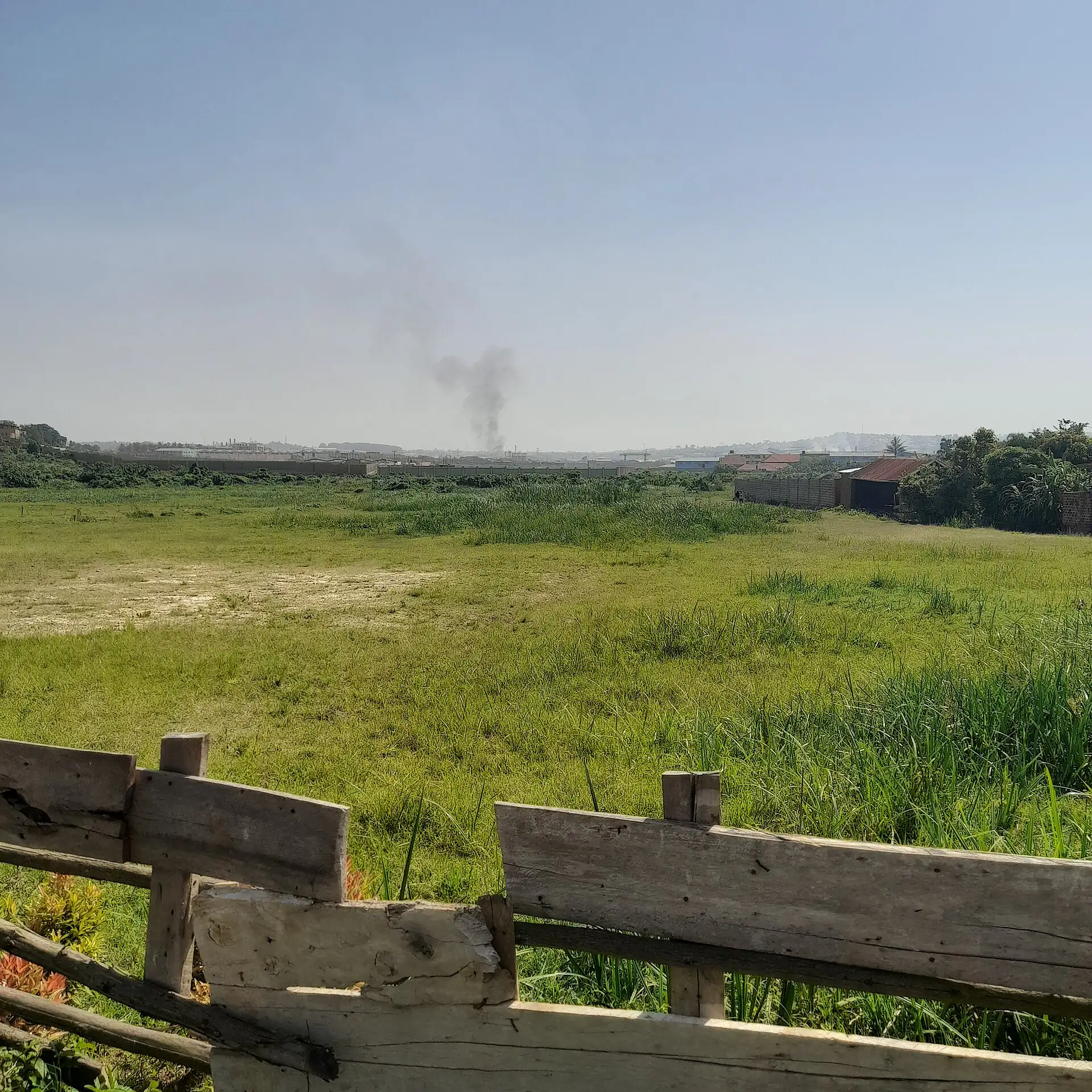
A network of Ugandan farming organisations is helping smallholder communities adapt to climate change through agroecology, but limited government support, short-term funding and weak markets hold the work back, according to a new study by researchers from several Ugandan universities and international partners.
The study, published on 20 November 2026 in Discover Sustainability, was led by Charles L. Tumuhe of the Department of Agroecology and Natural Resources at Uganda Martyrs University. Co-authors are based at the University of Kisubi, Uganda Management Institute, Busitema University, Makerere University’s School of Public Health, the University of Bonn’s Center for Development Research, the African Food Systems Institute and Argentina’s National Institute of Agricultural Technology.
How the study was done
The researchers examined how 25 member organisations of the Participatory Ecological Land Use Management Uganda (PELUM Uganda) network support climate adaptation among farming communities in 17 districts. They gathered views from 194 people, 47% of them women, including organisation staff and leaders of farmer groups. Data came from 26 focus group discussions, six small-group interviews and 11 in-depth interviews, together with a review of documents.
What they found
Participants said member organisations promote seed conservation, soil and water conservation, renewable energy, access to markets, community collaboration and faith-based care for the environment. They saw these practices as helping communities adapt to a changing climate.
They also named several barriers: limited government support, conflicting messages from extension services, short-term funding, little local research and weak market incentives. In response to fragmented donor funding, groups described farmer savings groups, a consortium arrangement and proposals to raise funds jointly.
From this evidence, the authors propose the idea of “networked agroecology”, which looks at how organisations working together, rather than single projects or individual farmers, sustain agroecological change.
Why it matters
Most Ugandan farmers work small plots that depend on rainfall, which makes climate adaptation a pressing concern. The authors conclude that scaling up agroecology for adaptation depends on stronger coordination among organisations, lasting research partnerships, longer-term financing, and better alignment between national agroecology policy and local extension services.
Limits
The study draws on a single network and on the views of its own members and partners, so the authors say the concept needs testing in other settings and with people outside the network. It reports perceptions of benefits rather than measured changes in yields or incomes. The research received no external funding.
Sources

About the writer
Researchnews.Africa Newsroom
Reporting by the Researchnews.Africa newsroom in Kampala.
All articles by Researchnews.Africa DeskResearchnews.Africa follows our editorial standards. Spotted an error? Tell us how to correct it.
Share this story