Most Snakebite Patients in Northern Uganda Treated Without Antivenom or Clotting Tests, Makerere Study Finds
A review of 227 snakebite records at four hospitals in Gulu and Arua found only 15.0% of patients received antivenom and that harmful first aid such as tourniquets was common.

By Researchnews.Africa Desk
· 2 min read
Snakebite care at major hospitals in Northern Uganda is largely limited to treating symptoms, with few patients receiving antivenom or the simple blood test used to guide it, according to a study by researchers at Makerere University School of Public Health published in PLOS ONE on 19 November 2026.
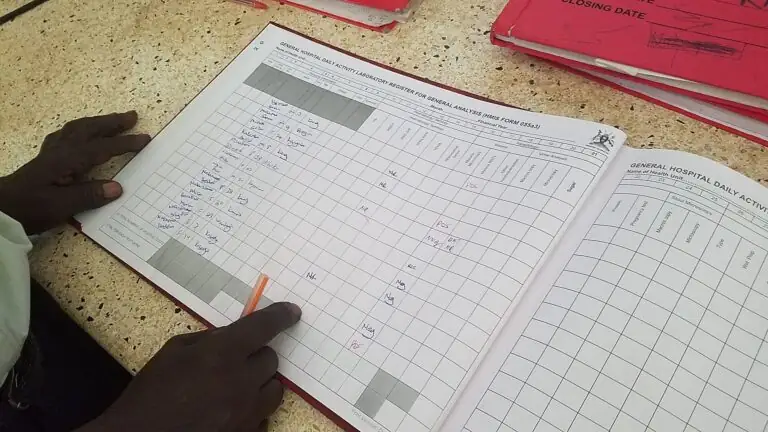
The team, led by Solomon T. Wafula with colleagues including David Musoke, reviewed 227 snakebite case records from 2017 to 2021 at four facilities: Gulu and Arua Regional Referral Hospitals, St. Mary’s Hospital Lacor in Gulu and Rhema Hospital in Arua. The study was funded by the Royal Society of Tropical Medicine and Hygiene.
What the records showed
Women and girls made up 58.6% of cases, and the median age was 21 years. Where an occupation was recorded, students and pupils were the largest group, followed by agricultural workers. Most bites were on the lower limb (85.9%), and the snake species was not documented in 76.2% of records.
No first aid before reaching hospital was recorded in 59.1% of cases. Where it was recorded, the most common practices were applying a tourniquet (29.3%) and herbal remedies (8.9%), which the authors describe as usually harmful. Others included a “black stone”, a coin placed over the bite and cutting the bite site.
One or more features suggesting venom had spread through the body were documented in 18.5% of patients, yet only a third of them received antivenom. Overall, 15.0% of patients received antivenom. The 20-minute whole blood clotting test, a cheap bedside test recommended by the World Health Organization, was done in 17.3% of cases. Supportive treatment dominated: intravenous fluids (68.1%), painkillers (64.2%), antibiotics (53.1%) and corticosteroids (45.6%). Overall, 93.4% of patients recovered and 3.1% died.
Why it matters
Sub-Saharan Africa carries a large share of global snakebite deaths, and WHO aims to halve snakebite deaths and disability by 2030. The authors argue that the low death rate here mainly reflects patients arriving early, with a median of two hours after the bite, and mostly mild bites, rather than good care. They warn that the same practices applied to more severe cases would be expected to produce worse outcomes.
They call for training health workers in recognising envenoming patterns, using the clotting test and giving antivenom, better record keeping, a secure supply of quality antivenom, and community education on safe first aid timed to the rainy months when most bites occur. They also suggest engaging traditional healers as referral partners and teaching first aid in schools.
Limits
The study relied on routine hospital records, which were often incomplete, and covered four referral-level facilities in two districts. Bites treated at smaller health centres, by traditional healers or at home, and deaths before reaching hospital, are not included, so the authors say true incidence and death rates are underestimated.
Sources

About the writer
Researchnews.Africa Newsroom
Reporting by the Researchnews.Africa newsroom in Kampala.
All articles by Researchnews.Africa DeskResearchnews.Africa follows our editorial standards. Spotted an error? Tell us how to correct it.
Share this story