More Than One in Three Patients Miss Prescribed Medicines at Ugandan Health Facilities, Makerere Supply Chain Study Finds
A Makerere University School of Public Health project found that 208 of 591 patients prescribed medicines at 70 facilities missed at least one, even as funding gaps for essential medicines narrowed.

By Researchnews.Africa Desk
· 3 min read
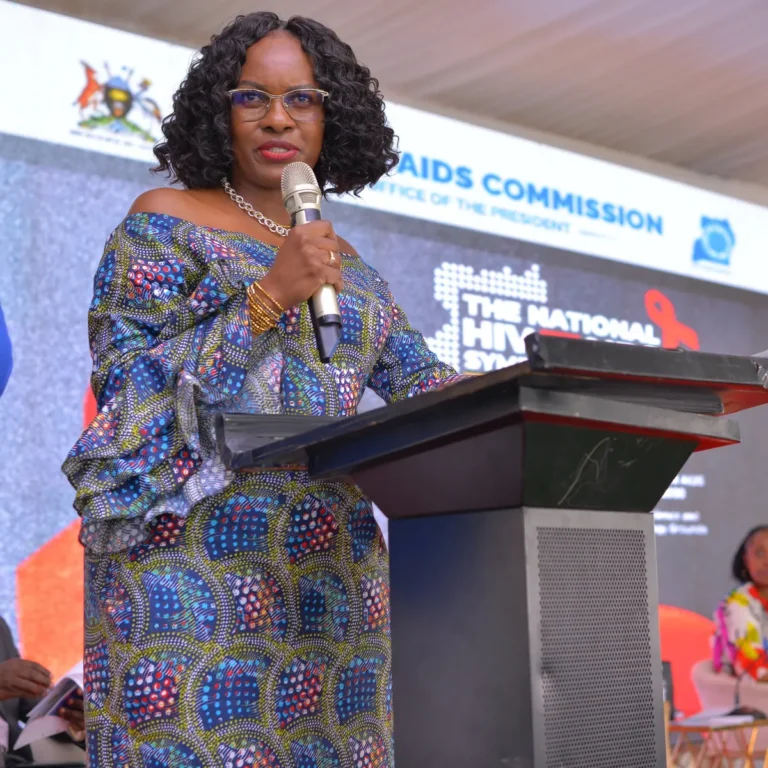
More than one in three patients who were prescribed medicines at Ugandan public and private not-for-profit health facilities left without at least one of them, according to research by Makerere University School of Public Health (MakSPH) presented at a national policy dialogue in Kampala on 3 November 2026.
The work came from a nine-month project, Safeguarding Uganda’s Health Supply Chain Amid the Global Health Funding Transition, led by Prof. Rhoda Wanyenze and Assoc. Prof. Suzanne Kiwanuka together with the Ministry of Health and Joint Medical Store, with support from the Gates Foundation. It began after the 2025 suspension of USAID-supported distribution left medicines in storage, at risk of expiry, while facilities waited for deliveries.
What patients actually received
A last-mile assessment covered 70 facilities across 15 districts. Of 632 patients interviewed, 591 had been prescribed medicines, and 208 of them missed at least one, with antibiotics and blood pressure medicines among those missing. Of 346 patients who needed diagnostic services, 36 did not receive a required test. Patients said they would buy missing medicines privately, which makes the ability to pay part of getting treatment.
Regional referral hospitals had the lowest average annual stock-out rate of the facility levels assessed, at 11.2%, yet 53.5% of their surveyed patients who were prescribed medicines missed at least one. The stock-out rate tracked selected commodities over 2025, while the patient interviews recorded what happened during a single visit.
Shelves out of step with need
A review of 2025 records for 29 tracer commodities found an overall stock-out rate of 15%. On the day of assessment, only 13.2% of commodity stocks were at the recommended level: 17.4% were unavailable, 31.7% understocked and 37.8% overstocked. The assessment counted 2,791 transfers of stock between facilities in 2025, which staff often had to arrange without a dedicated budget.
A financing analysis found that the gap between money committed and the estimated cost of essential medicines and health supplies narrowed from 21.7% in FY2022/23 to 1.8% in FY2025/26. Even so, the researchers report that allocations remained UGX 99.3 billion below estimated need, and money committed is not necessarily money released or spent.
The team also identified weaknesses in digital systems, including inaccurate electronic stock balances that can distort later orders, and paper tools withdrawn before electronic processes were working fully. Joint Medical Store found 423 facilities in its network without computers. The emergency distribution that launched the project reached 1,072 facilities and moved residual commodities worth about US$4.2 million.
Why it matters
As donor funding for health changes across Africa, the findings suggest that the real test of a supply chain is whether patients leave with the medicines and tests they were prescribed, not only whether stores hold stock. The researchers recommend protecting funding for distribution, storage, supervision and stock reporting, allocating supplies according to consumption data, and providing dependable funding for moving stock between facilities.
Dr Charles Olaro, Director General of Health Services, said the findings had already been presented to the Ministry of Health’s top management and called for follow-up on which recommendations can be put into practice.
The findings are reported in a university news article on the dissemination; the article does not link to a published report or peer-reviewed paper.
Sources

About the writer
Researchnews.Africa Newsroom
Reporting by the Researchnews.Africa newsroom in Kampala.
All articles by Researchnews.Africa DeskResearchnews.Africa follows our editorial standards. Spotted an error? Tell us how to correct it.
Share this story