NWSC’s Shs1.7 Trillion Plan to End Dry Taps Across Uganda

By Researchnews.Africa Desk
· 4 min read
By Gloria Birungi
KAMPALA: In Kajjansi, Mary Nansubuga says her family sometimes has to buy several jerrycans of water at once, and every price rise makes the household budget harder to stretch.
A few kilometres away in Kibiri, John Ssemanda is blunter: “Water is something we cannot avoid buying, even when we do not have enough money.”
Read also: Uganda’s Equal Opportunities Report: 14 Minority Groups Lose 36,461 People, Mvuba Down 86.7%
Across Greater Kampala, homes and businesses wake to dry taps, weak pressure and supply they can no longer predict.
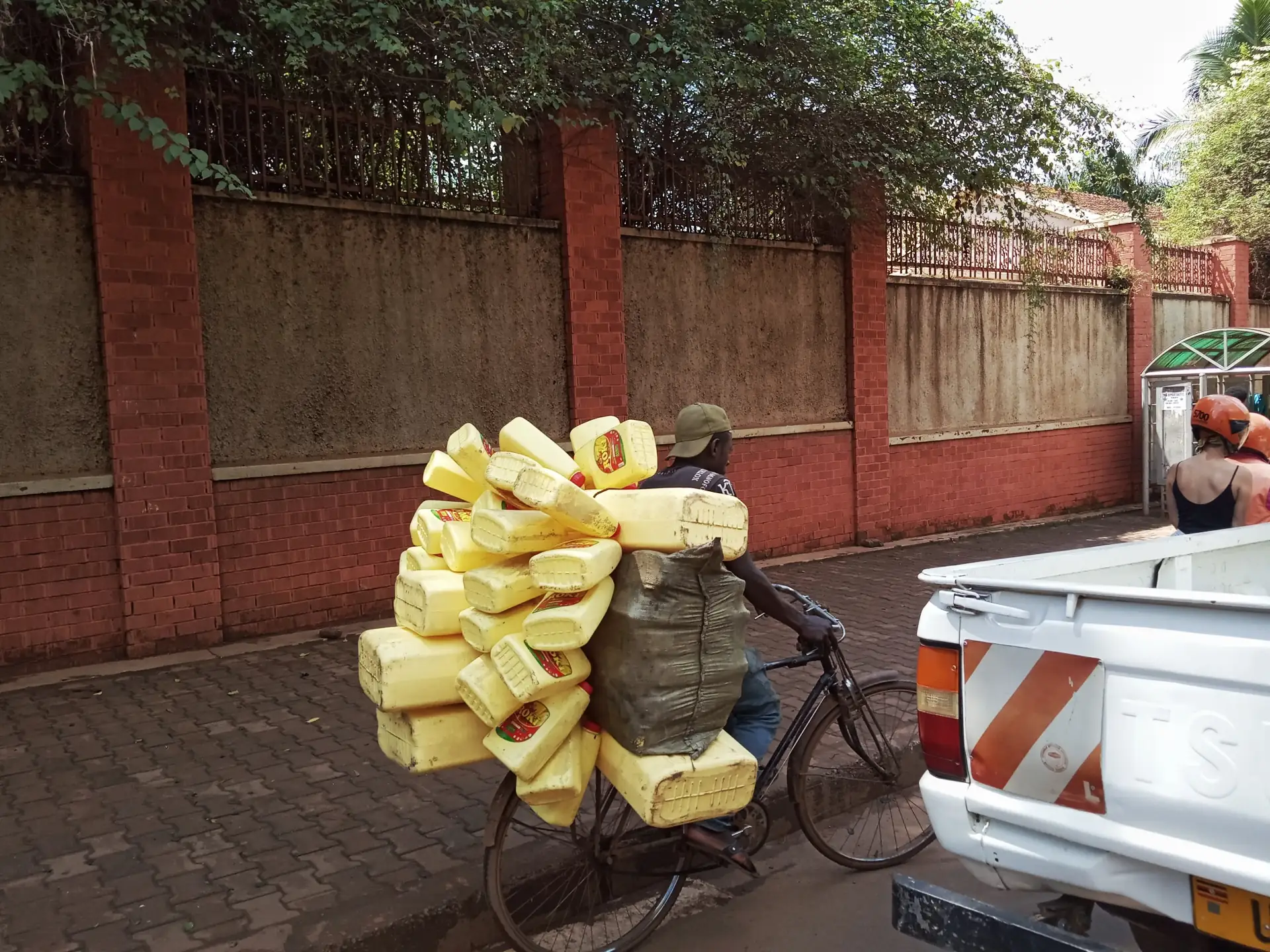
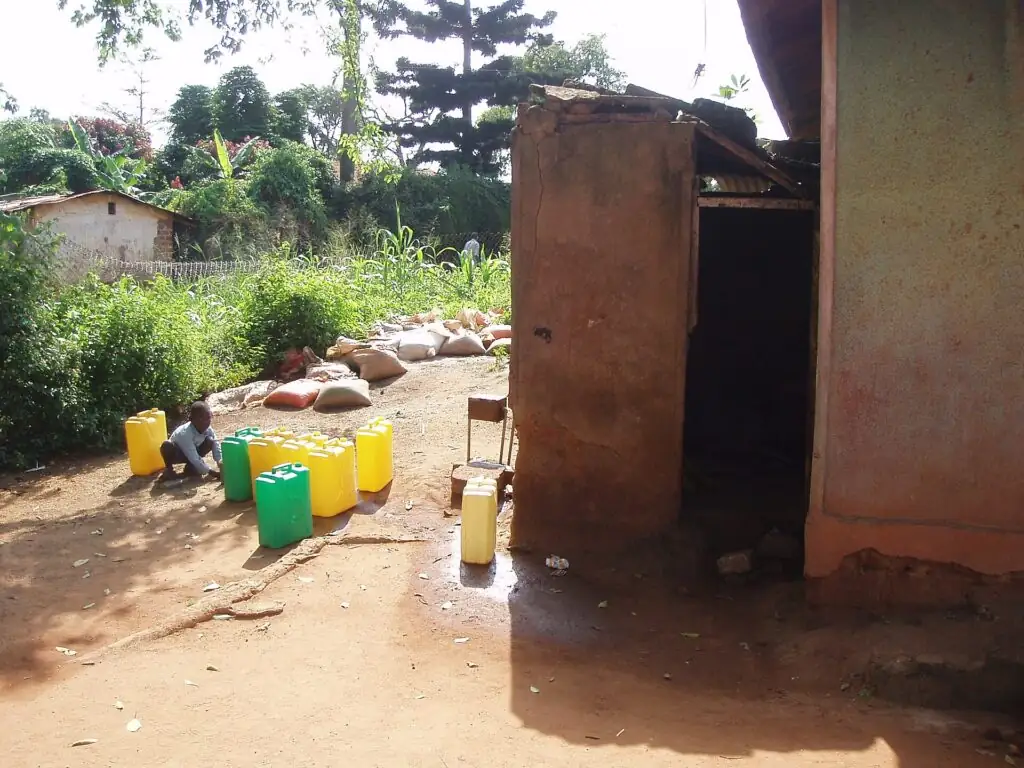
Researchnews.Africa has learnt that in some neighbourhoods, rationing lasts up to six hours at a stretch, and where taps fail, vendors charge Shs1,000 to Shs2,000 for a 20-litre jerrycan.
The National Water and Sewerage Corporation does not dispute the scale of the problem. Its own October 2026 reliability assessment found that 41% of customers in Greater Kampala do not receive water around the clock, and some get it for fewer than six hours a day. That falls well short of the corporation’s Customer Service Charter, which promises at least 18 hours of supply daily.
What surprises many residents is the cause. According to NWSC, the problem is not a shortage of water but getting it through the pipes to people’s homes.
“There’s enough water to meet the demand in Kampala,” says Kampala Water general manager Mahmood Lutaaya, but bottlenecks in the supply system stop it from arriving. Pipes damaged during road and industrial works add to the trouble, forcing repairs and leaving the utility to ration some areas so that others can be served.
Nowhere is the bottleneck clearer than at Katosi. The treatment plant on Lake Victoria can produce 160 million litres a day, but it runs at only about 52% of that capacity because the network leading into the city cannot carry everything it treats.
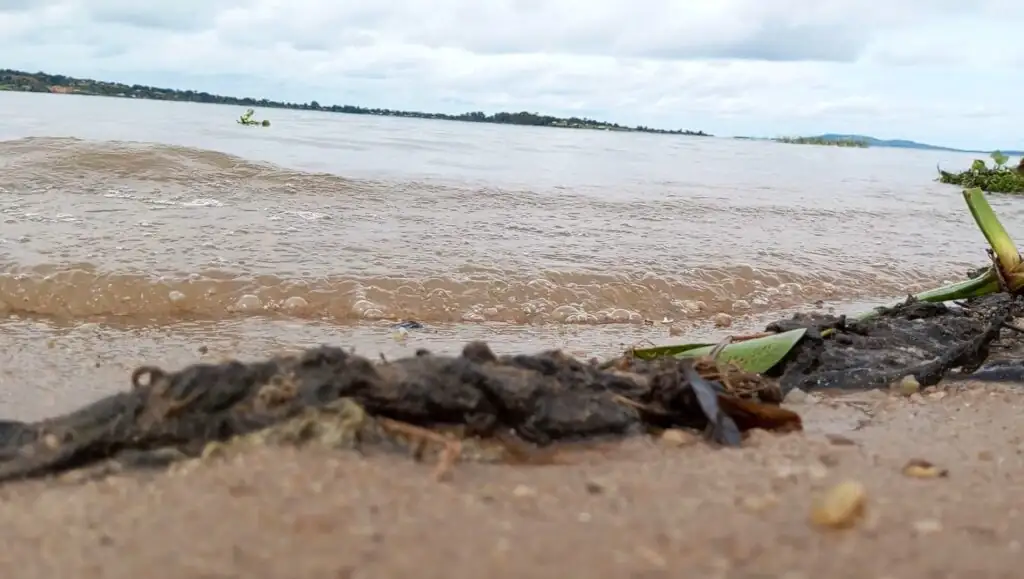
Managing Director Dr Eng. Silver Mugisha has said the corporation has “a lot of water at Katosi” and is working to move more of it to Kampala.
The strain is not limited to the capital. Mugisha said in August that network use nationally averages 85% of capacity, the level at which customers begin to experience shortages, and that demand is growing faster than supply.
The utility has expanded rapidly, from 23 towns in 2013 to 293 by mid-2026, with more than one million connections serving over 22 million people. Its strategic plan adds that about a third of the water it produces is lost to leaks, bursts, faulty meters and illegal connections before it can be billed, while late government payments and degraded water sources add further pressure.
To close the gap, NWSC is pushing three large projects worth a combined Shs1.7 trillion. The most advanced is Katosi Package 2B, a €92.4 million (about Shs373 billion) network financed mainly by the French Development Agency. It will lay about 70 km of transmission mains, build three reservoirs and add booster stations to carry Katosi’s unused water to about one million more people in areas such as Kira, Kasangati and Nansana. The works were about 35% complete in September and are due in 2027.
For residents like Nansubuga, the bigger change may come from the Shs694 billion Wakiso West project, backed mainly by Impact Fund Denmark. It will build a new treatment plant at Bwerenga, more than 170 km of water mains and 941 prepaid communal taps for over one million people in Kyengera, Nsangi, Kajjansi and Mpigi.
NWSC expects it to bring the price of a jerrycan down to about Shs100. Beyond the capital, the corporation is seeking Shs650 billion to boost production in 50 towns across all regions, while upgrades are already under way in Mbale, Lira and Kanungu.
Because big projects take years, NWSC has also launched K-FLOWS, a six-month programme running until April 2027. It combines fixes to the main network with new boreholes and local supply schemes in struggling communities including Bukasa, Mengo, Maya and Namungoona. Lutaaya says customers in some affected neighbourhoods should begin to notice improvements by December.
The bill is large. NWSC estimates it needs about Shs6.8 trillion over the next five years and faces a funding gap of roughly Shs1.4 trillion, as it aims to serve 26.2 million people by 2030. For families still buying water by the jerrycan, the coming year will show whether new pipes can finally deliver the water NWSC already has.

About the writer
Researchnews.Africa Newsroom
Reporting by the Researchnews.Africa newsroom in Kampala.
All articles by Researchnews.Africa DeskResearchnews.Africa follows our editorial standards. Spotted an error? Tell us how to correct it.
Share this story