Malaria Mass Drug Campaign Helped Uganda’s 2022 Ebola Response, Health Workers and Communities Tell Makerere Researchers
A Makerere University School of Public Health study of Mubende and Kassanda districts finds that people involved in the 2022 Ebola response believed a malaria mass drug campaign cut malaria cases and made fever cases easier to sort, though distrust and drug shortages held it back.

By Researchnews.Africa Desk
· 2 min read
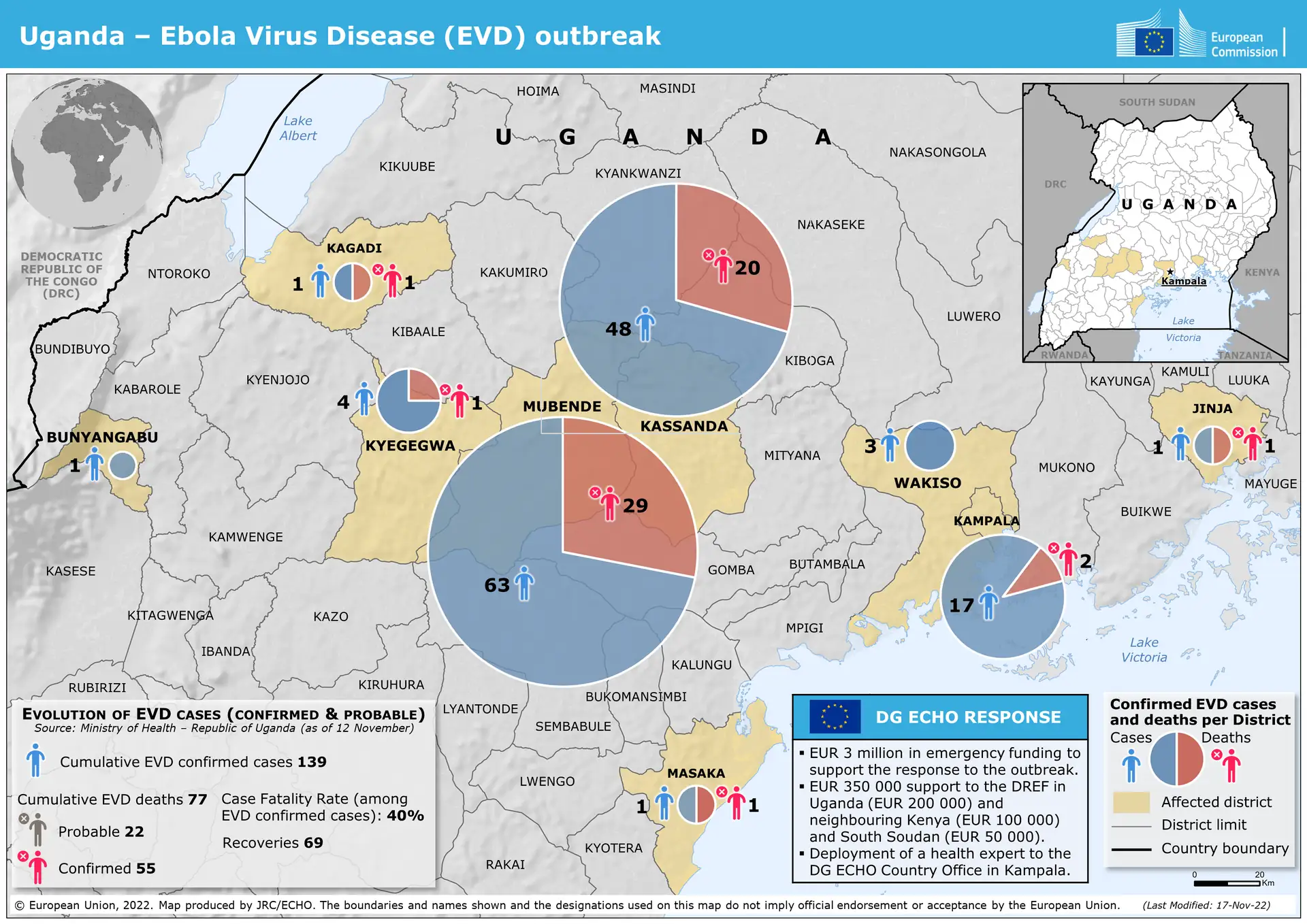
Researchers at Makerere University School of Public Health have documented how a malaria mass drug administration campaign was received during Uganda’s 2022 Ebola outbreak caused by the Sudan virus, and what helped or hindered it on the ground. The study, published on 23 November 2026 in BMC Public Health, focused on Mubende and Kassanda, the two districts at the centre of the outbreak.
Why malaria mattered in an Ebola outbreak
In areas where malaria is common, fever is one of the first signs of both malaria and Ebola. The authors explain that this overlap made it hard for clinicians to tell febrile illnesses apart during the outbreak, which may have delayed the identification of Ebola cases and increased the risk of exposure.
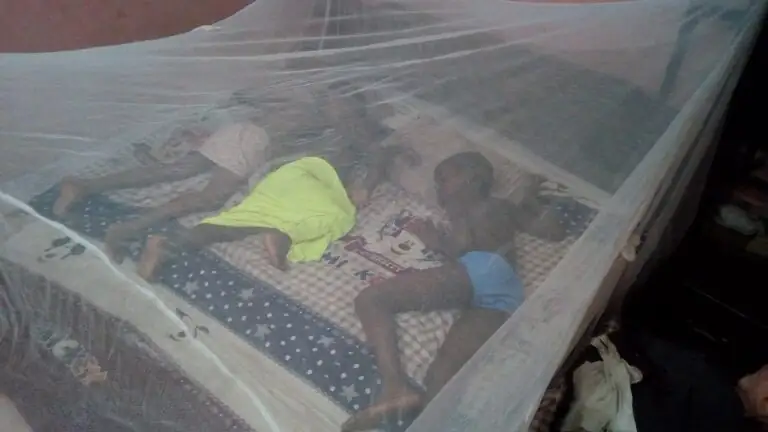
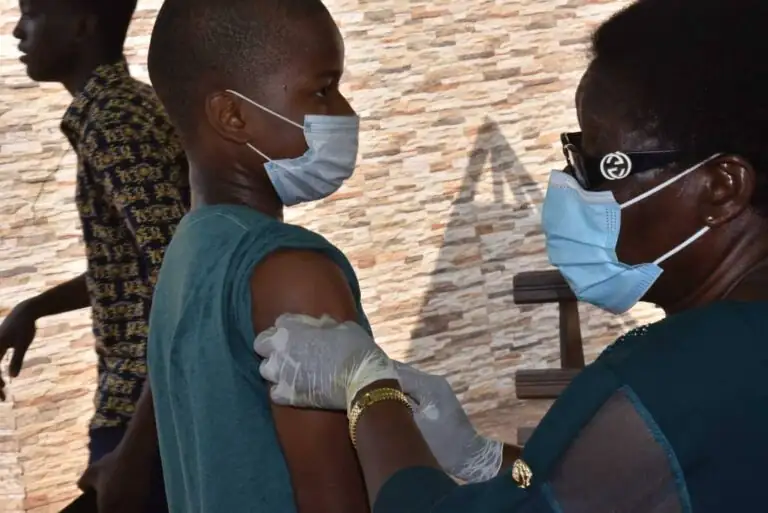
To reduce the background burden of malaria, a campaign was run in the most affected sub-counties in late 2022. According to programme documents and participant accounts described in the paper, trained community health workers delivered the antimalarial combination dihydroartemisinin and piperaquine mostly door to door, with some distribution at fixed points in health facilities.
What the researchers did
The team, led by Douglas Bulafu with colleagues including Rawlance Ndejjo, Rhoda Wanyenze and Suzanne Kiwanuka, carried out 30 key informant interviews with health workers, local leaders and implementers. They also held 10 focus group discussions with community members and community health workers, then analysed the transcripts for common themes.
What they found
Participants believed the campaign reduced malaria cases and deaths. They also felt it lessened the overlap between malaria and Ebola symptoms, especially in private clinics, where participants reported less exposure to Ebola.
The study identifies three main factors that made the campaign work: house-to-house sensitisation by trained community health workers, strong support from partners, and the active involvement of local leaders in encouraging people to take part.
It also records serious obstacles. These included public distrust of government programmes, negative community views of the intervention, limited drug supplies, and the placing of some distribution points close to Ebola isolation facilities.
Why it matters
Uganda and its neighbours continue to face filovirus outbreaks in areas where malaria is widespread. The authors argue that their findings offer practical lessons for including malaria mass drug administration in outbreak preparedness plans in high-malaria settings, provided its use is guided by World Health Organization recommendations, local disease patterns, feasibility and safety.
Limits of the study
The researchers are clear that this was a qualitative study of perceptions. Its findings do not establish that the campaign was effective in epidemiological terms. They also note that the campaign did not replace the need to test each patient with fever individually.
The work was funded by the Government of Uganda through the Makerere University Research and Innovations Fund.
Sources

About the writer
Researchnews.Africa Newsroom
Reporting by the Researchnews.Africa newsroom in Kampala.
All articles by Researchnews.Africa DeskResearchnews.Africa follows our editorial standards. Spotted an error? Tell us how to correct it.
Share this story