Uganda’s Equal Opportunities Report: 14 Minority Groups Lose 36,461 People, Mvuba Down 86.7%

By Researchnews.Africa Desk
· 3 min read
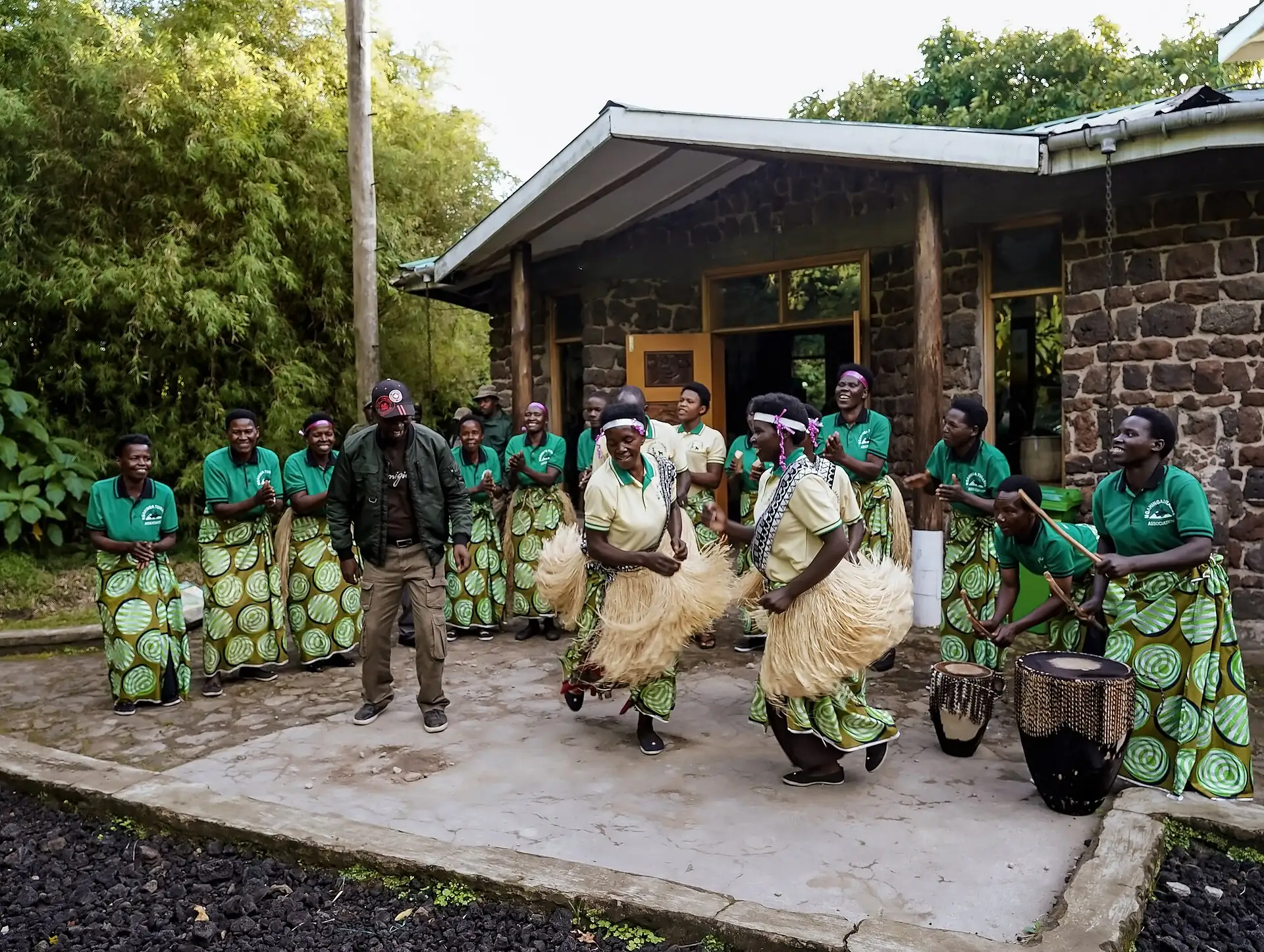
KAMPALA: Fourteen of Uganda’s indigenous ethnic minority groups lost a combined 36,461 people between 2014 and 2024, even as the national population grew by 32.5 per cent, the Equal Opportunities Commission (EOC) has found. The Mvuba population fell by 86.7 per cent.
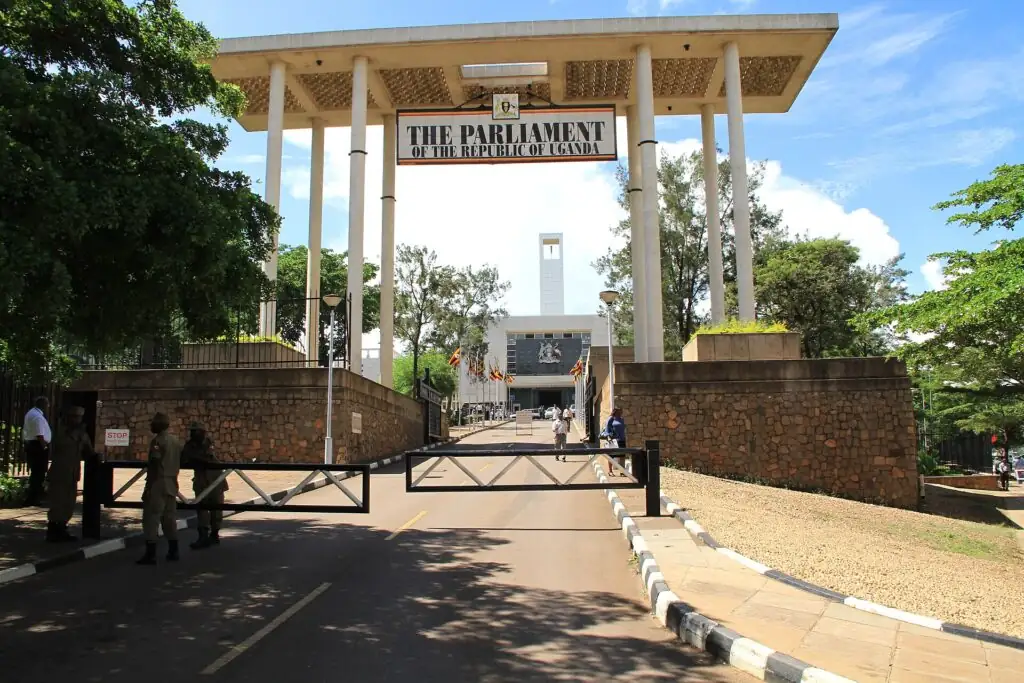
The figures are in the Commission’s 13th Annual Report on the State of Equal Opportunities in Uganda, themed “Bridging Inequalities: Leaving No One Behind.” The report was presented to the Speaker of Parliament on Wednesday. The Speaker directed that it be laid before the House next Tuesday, 1 December, and then referred to committee.
“I need this to be laid on Tuesday. That will refer to the committees and then work begins,” the Speaker said. The Speaker noted that the report arrives as the budget is being prepared and called for “evidence-based budgeting, evidence-based debate.”
Read also: Parliament Pledges Support as Speaker Oboth Launches MUST’s Shs180.8 Billion Master Plan
Communities on the brink
The steepest declines between 2014 and 2024 were:
| Group | Decline, 2014–2024 |
|---|---|
| Mvuba | 86.7% |
| Vonoma | 74.0% |
| Batwa | 37.8% |
| Shana | 33.5% |
If these trends continue, the Mvuba could number fewer than 100 people by 2031, and the Vonoma by 2038.
The Speaker admitted to first thinking that “Mifumba” meant second-hand clothes, then turned serious. “My father’s household alone, without the clan, we are more than 100,” the Speaker said. “There are people who are in danger of being wished away or washed away.”
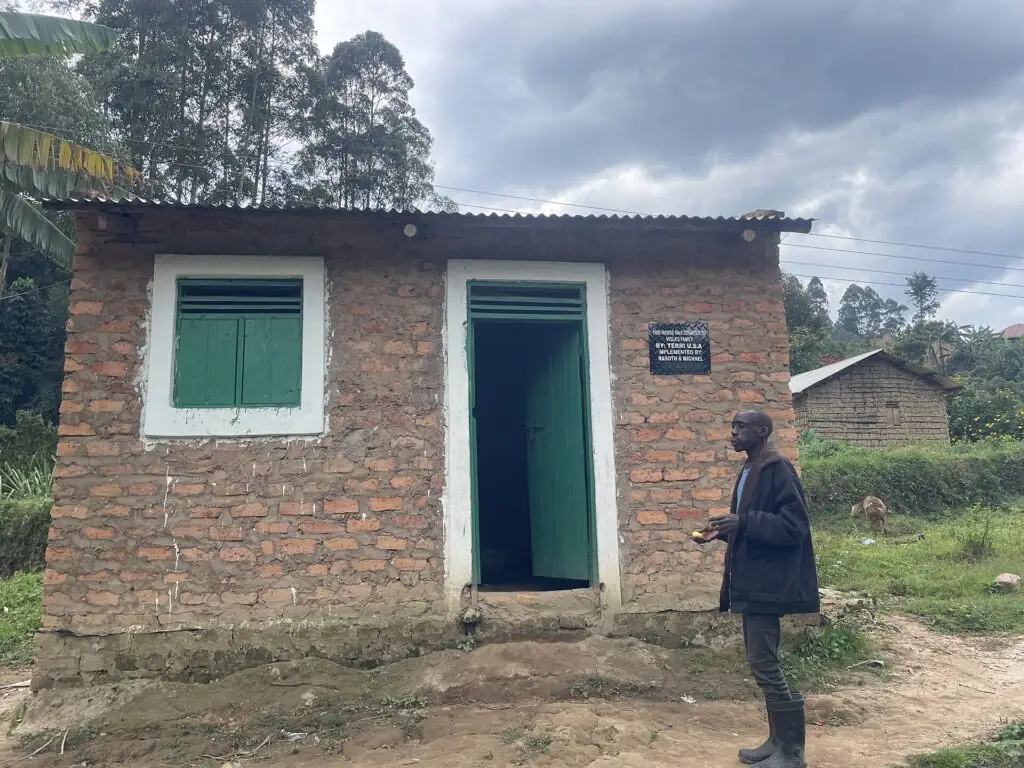
The Commission said Uganda has no dedicated law, policy or institution for these groups, which remain shut out of education, health care, jobs and decision-making. It is seeking an Indigenous Ethnic Minority Groups Act, a National Council for Indigenous Ethnic Minorities and a national policy for these communities. “We are confronting the possibility of losing entire ethnic communities,” the Commission warned.
Local governments get less than half their benchmark
Local governments received 9.7 per cent of the national budget in FY 2026/27, against the 20.1 per cent benchmark in the National Development Plan. Only 15.6 per cent of that money went to development.
The Speaker noted that the share had fallen from 9.9 to 9.7 per cent. “Seems like somebody is not doing his job. And that somebody could be us,” the Speaker said.
An assessment of 16 new districts found that:
- 124 parishes have no government primary school
- 69 sub-counties have no government secondary school
- 46 per cent of approved district staff posts are vacant
- in one district, an extension worker serves about 2,500 farmers, against a national standard of 500
In those districts, administration cost Shs86.5 billion, compared with Shs52 billion for development. Revenue raised locally made up only 1.8 per cent of their budgets.
A medical bill worth ten years of wages
A Shs30 million medical bill equals nearly ten years of earnings for a Ugandan on the national median income of Shs260,000 a month. Treating fractures in private hospitals costs between Shs7.9 million and Shs54.3 million. Public care is free, but shortages of medicines and supplies push patients to pay out of pocket. Families are using up their savings and selling productive assets to cover treatment.
The Commission recommends fast-tracking a National Health Insurance Scheme and raising health spending towards the 15 per cent Abuja Declaration target.
Youth, refugees and children
- Youth: unemployment is 17.9 per cent, and 21 per cent among young women. About 5.25 million young people (50.9 per cent) are not in employment, education or training.
- Refugees: Uganda hosted about 2.06 million by October 2026. Only 663,000 receive food aid, and more than 642,000 people in settlements face crisis-level food insecurity or worse. Secondary enrolment among refugees is 10 per cent.
- Children: nearly one in four girls aged 15–19 is affected by teenage pregnancy, which costs the country Shs645 billion a year. One in three women aged 20–24 was married before 18.
What happens next
After it is tabled on Tuesday, the report goes to the Committee on Equal Opportunities for scrutiny and follow-up with the institutions responsible.
By the numbers
- 36,461: combined population lost by 14 minority groups
- 86.7%: decline in the Mvuba population
- 9.7%: local governments’ share of the budget (benchmark: 20.1%)
- 10 years: median earnings needed to pay a Shs30m medical bill
- 50.9%: young people not in employment, education or training
- 2.06 million: refugees hosted
Source: Equal Opportunities Commission, 13th Annual Report on the State of Equal Opportunities in Uganda, 2026.

About the writer
Researchnews.Africa Newsroom
Reporting by the Researchnews.Africa newsroom in Kampala.
All articles by Researchnews.Africa DeskResearchnews.Africa follows our editorial standards. Spotted an error? Tell us how to correct it.
Share this story