Uganda’s Skills Board Rolls Out 17 New Technician Diplomas and Starts Tracking Whether Graduates Actually Find Work

By Researchnews.Africa Desk
· 4 min read
By James Kamugisha
KAMPALA: About 5.25 million Ugandans aged 18 to 30, or roughly half of that age group, are neither working, studying nor in training, according to official figures cited by the Uganda Vocational and Technical Assessment Board (UVTAB).
Against that backdrop, the Board is betting that more practical, higher-level qualifications can help young people move from the classroom into paid work. It has developed 17 new National Technician Diploma programmes in technology, opened admissions for the coming year and, for the first time, sent teams into the field to find out what happens to its graduates.
Read also: NWSC’s Shs1.7 Trillion Plan to End Dry Taps Across Uganda
In a letter to heads of training institutions dated 7 September 2026, UVTAB Executive Secretary Onesmus Oyesigye said the Board had developed the programmes under its mandate in the Technical and Vocational Education and Training (TVET) Act of 2025, which requires it to design curricula and prepare trainers to teach them. Trainers were called to orientation workshops in mid-September at centres across the country, including UTC Bushenyi, UTC Lira, UHTTC Jinja and Nakawa Vocational.

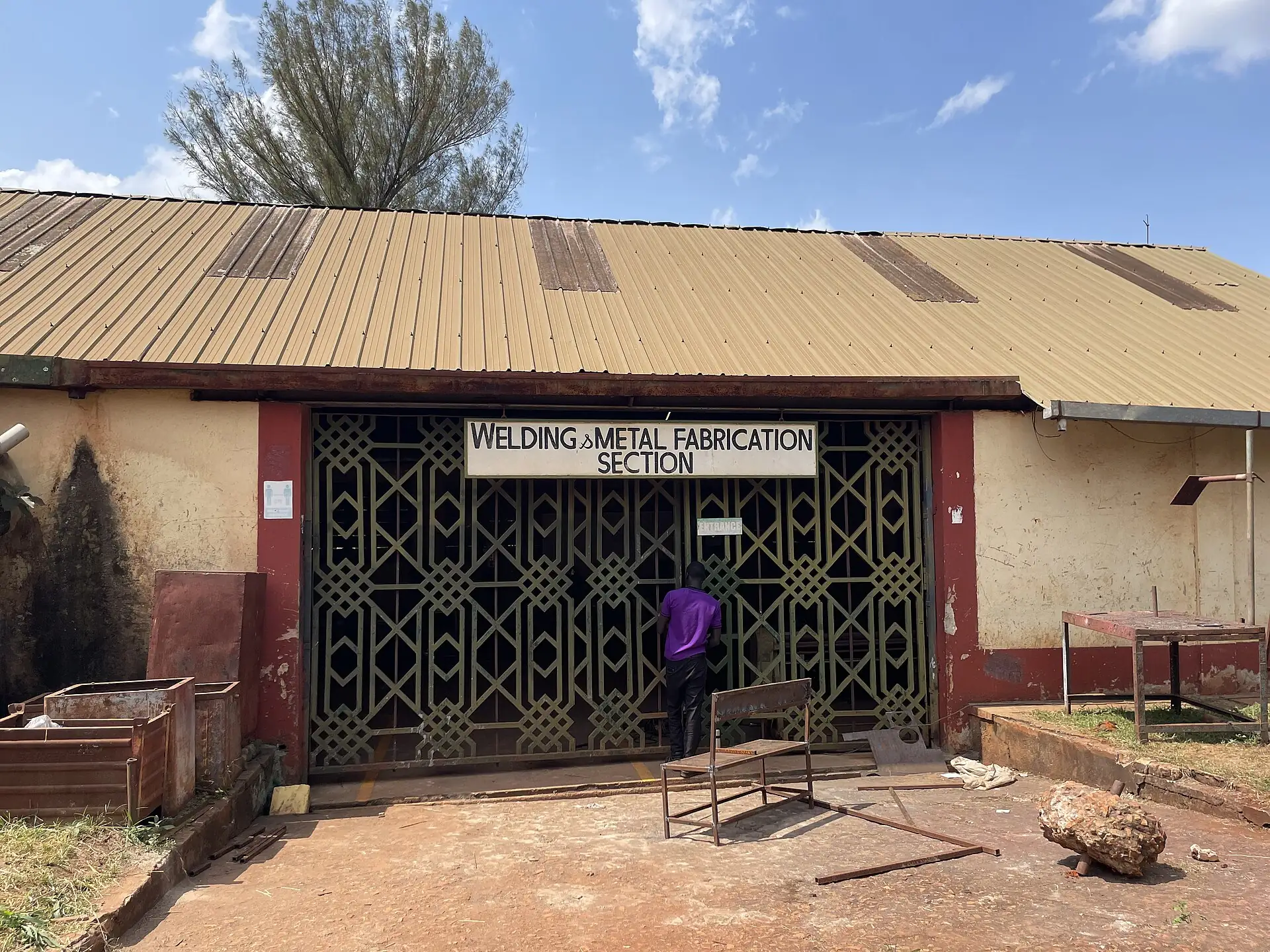
The Board’s published list of technician diplomas in technology goes well beyond traditional trades. Alongside welding, automotive technology, electrical engineering, building construction and architecture, it now includes cyber security and digital forensics, data science and analytics, software development, computer networking, telecommunications, mechatronics, and multimedia production and motion design.
Admissions for the 2026/2027 training year are open at diploma institutions accredited by the TVET Council, under new admission regulations issued by the Ministry of Education and Sports.
Applicants qualify if they hold a National Craftsman Certificate, if they hold an A-level certificate with at least one principal pass in the core subjects and two subsidiary passes, or if they pass an assessment of prior learning at competence level 3.
That last route matters most to many young Ugandans: a mechanic or welder who learned on the job, without formal schooling, can now have that experience assessed and use it to step up to diploma-level study. Application forms are available from the institutions themselves or online at education.go.ug and tvet.go.ug.
Building new courses is one thing; knowing whether they work is another. From 26 to 29 October, UVTAB ran a tracer study of people who learned motorcycle mechanics, motor vehicle mechanics, welding and bricklaying informally and were assessed in 2025 and 2026.
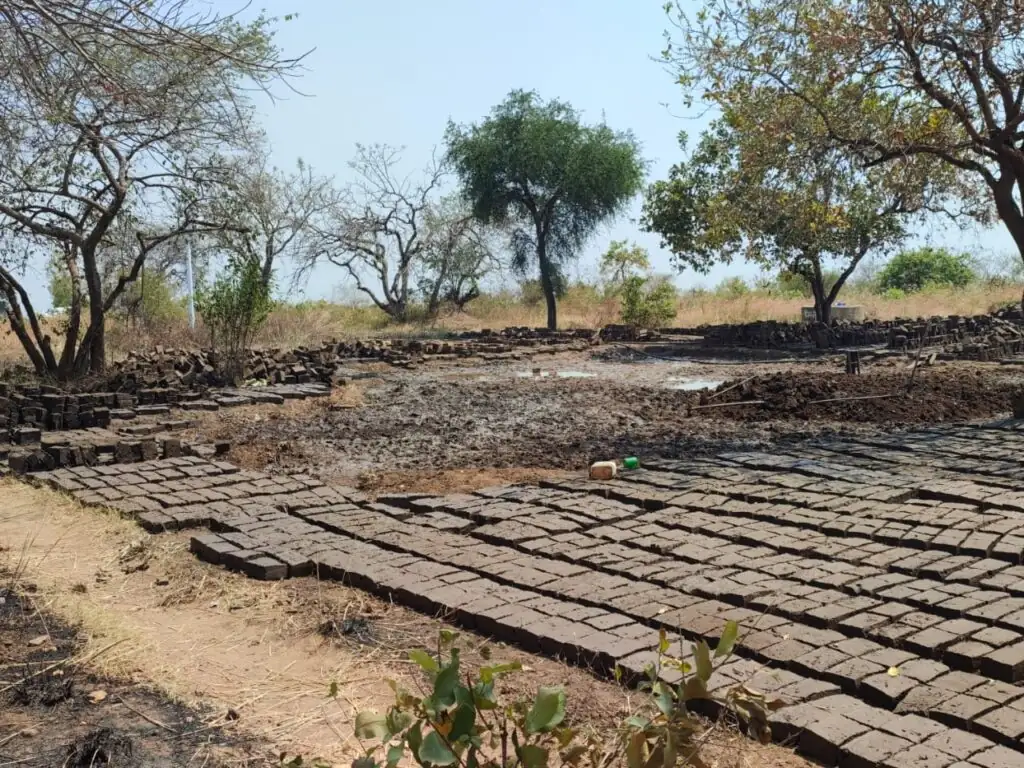
Teams covered the Central, Western, Eastern and Northern regions as well as West Nile. Tracer studies are a standard tool in education research, following graduates after certification to measure whether they found jobs, started businesses or earned more. UVTAB has not yet published the results.
Alongside the study, the Board is running a five-minute survey inviting employers and practitioners to help shape training and to join a register of assessors, industry trainers and curriculum experts.
UVTAB has also been candid about how much work remains. At a one-week review in Kampala in October attended by 145 participants, Deputy Executive Secretary for Curriculum Development Jalia Nasaza reported that only five of 43 lower-level craft and artisan programmes have a complete curriculum package, and even those have limited content.
Thirty have curricula but no trainers’ or assessment guides, while three, including welding, have none of the three. Officials said existing materials must be brought into line with current industry practice.
The new diplomas sit within wider changes. Government plans to move university and tertiary education to Competence-Based Education and Training from the 2027/2028 academic year, and UVTAB is proposing that the first two levels of TVET be tuition-free, a proposal that has not yet been approved.
Meeting religious leaders in Kyambogo on 30 October, Oyesigye urged them to promote vocational training, arguing that “three to six months of training is enough for someone to get employment.”
The Board is also reaching out to higher education. On 4 November, a UVTAB delegation met the Uganda Vice-Chancellors’ Forum, which represents 54 accredited universities, to discuss assessment, recognition of prior learning and routes from technical training into further study. No formal agreement has been announced.
For now, the clearest signal will come from the tracer study. If its findings show informally skilled graduates finding steady work, UVTAB will have the evidence it needs to argue that hands-on training, not just more classroom time, is Uganda’s best answer to youth unemployment.

About the writer
Researchnews.Africa Newsroom
Reporting by the Researchnews.Africa newsroom in Kampala.
All articles by Researchnews.Africa DeskResearchnews.Africa follows our editorial standards. Spotted an error? Tell us how to correct it.
Share this story